Zambezi | Bites Newsletter — October 2026
(The following is copied over, find real newsletter here)
FROM PROMISES TO PROOF: THE NEW RULES OF THE “BETTER-FOR-YOU” MARKET
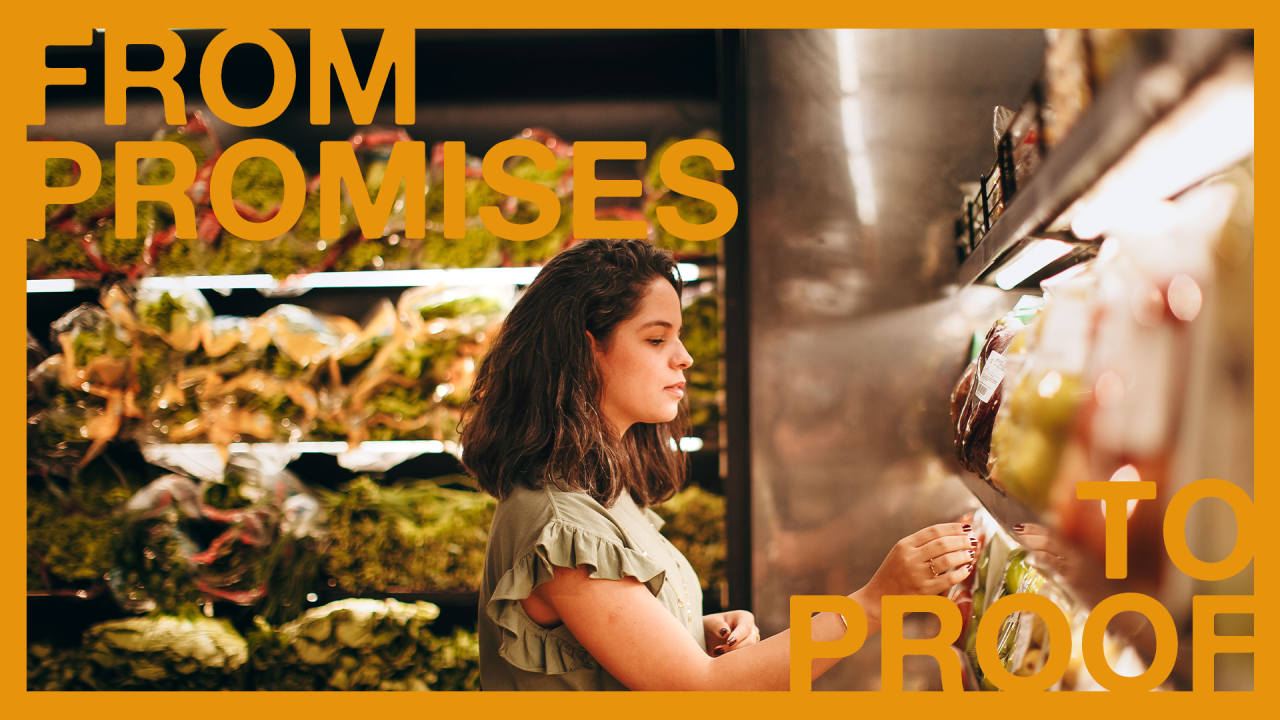
"Better-for-you" was built on a simple contract: charge a premium, deliver a cleaner product. But under constant pressure to expand margins and offset rising costs, more brands are quietly rewriting their ingredient lists behind closed doors—cheapening formulas and hoping no one notices the subtle drop in taste or performance.
There’s just one problem: shoppers are no longer passive buyers. Armed with scanning apps and instant access to past label data, today’s consumers actively audit the aisles, and those findings spread fast. For brands quietly cutting corners, this level of scrutiny is a public relations nightmare. For brands holding the line, it’s a massive competitive moat. When package promises no longer cut it, consumer skepticism doesn't hurt you—it does your marketing for you. Brands must go loud with transparency and be able to walk the walk, otherwise they risk massive hits in credibility.
1. THE QUIET PART OF THE DEAL
When clean brands are bought out by larger corporations, math takes the helm. Every quarter, you've got to beat the last one. Economics will tell you there are only two moves: sell more or spend less. Eventually, spending less is the easiest choice. The industry even has a name for it—skimpflation. Price holds. Product slips. Nobody sends a letter to tell you. And the organic aisle? Same story. General Mills bought Annie's in 2014 and left it alone for a decade. Then came the "Now Cheesier" update: butter and milk out, cornstarch in, protein and calcium down. Whole Foods, which Amazon owns, will tell you the best ingredients should be the standard, not the exception. Then you flip over its very own 365 Organic Honey Nut Morning O's and the almonds are gone. Not fewer almonds. Gone. What's left is the flavor of them. But acquisitions don't do this on their own. Somebody has to sign off. A person, in a room, saying yes. When everybody else is rewriting the label to boost margins after a deal closes, a label that hasn’t changed is a story for the front of the box.
2. NINETY SCANS A SECOND
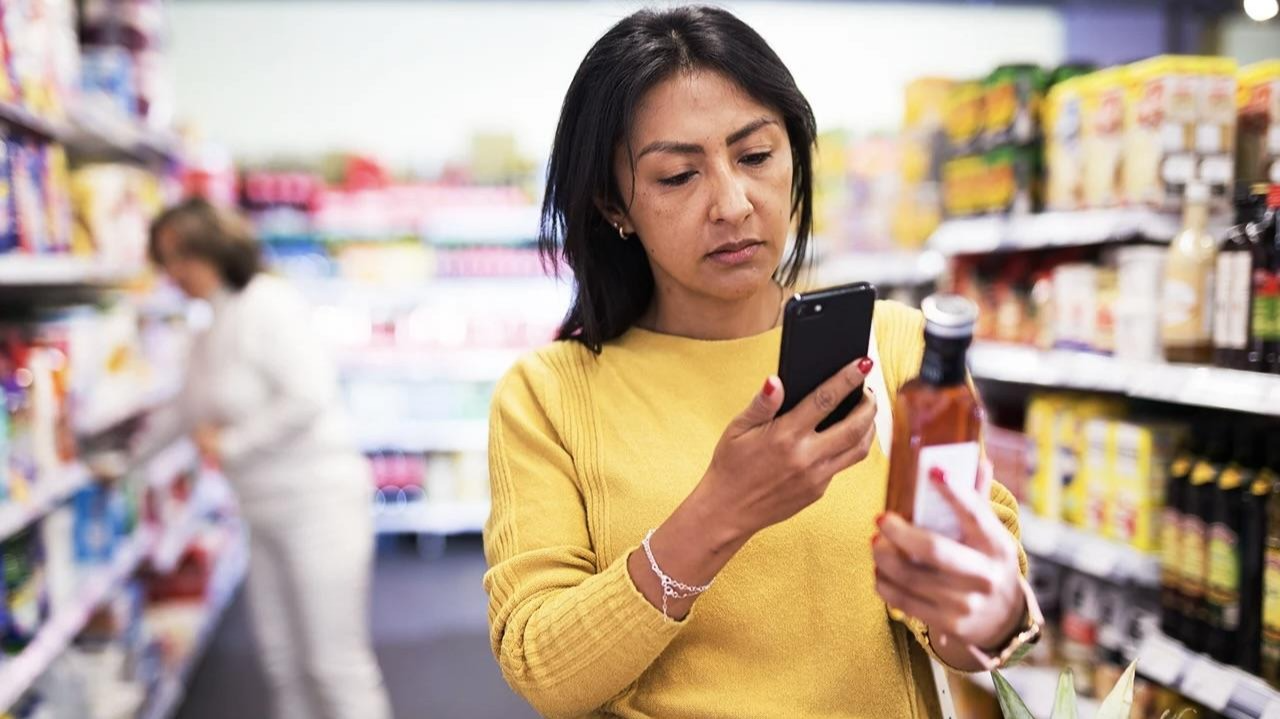
Checking food quality is automatic now. Yuka is a mobile app that grades your food the second you scan the barcode, and it has more than 750 million users running about 240 million scans a month. 94% put the product back when the app displays a red warning, indicating high-risk ingredients. Yuka users have sent brands over a million requests to fix formulas, and a French chain, Intermarché, actually did it—they reworked 900 products and pulled 142 additives. Consumer activists are checking quality by hand, too. FoodPharmer built an audience of 4.85 million filming how much sugar is in drinks sold as healthy; his Bournvita video hit 12 million views. As a result, the brand cut its sugar by roughly 15%. Every scan opens a world of possibility. It’s an incredible bridge of trust—pass the test, and you gain passionate advocates who share your product with genuine enthusiasm. Today’s empowered consumers are eager to champion brands that align with their values, offering mindful companies an unprecedented, highly authentic path to long-term success.
3. NOBODY BELIEVES THE BOX
62% of people say they don't trust health claims made by food companies. Some of it is volume, with every box yelling the same vague health terms. But mostly, today’s consumers can more easily see through deceptive marketing. They’re right to be suspicious—research published in Nature Food found that products carrying health claims weren’t found to be reliably healthier, and were sometimes less nutritious. Consumers see through slick marketing claims like "supports gut health." Instead of fighting the claim war, brands should highlight their real sourcing, process, and people—a wide-open lane while competitors keep making noise.
4. THE RUN TOWARD REAL & SIMPLE
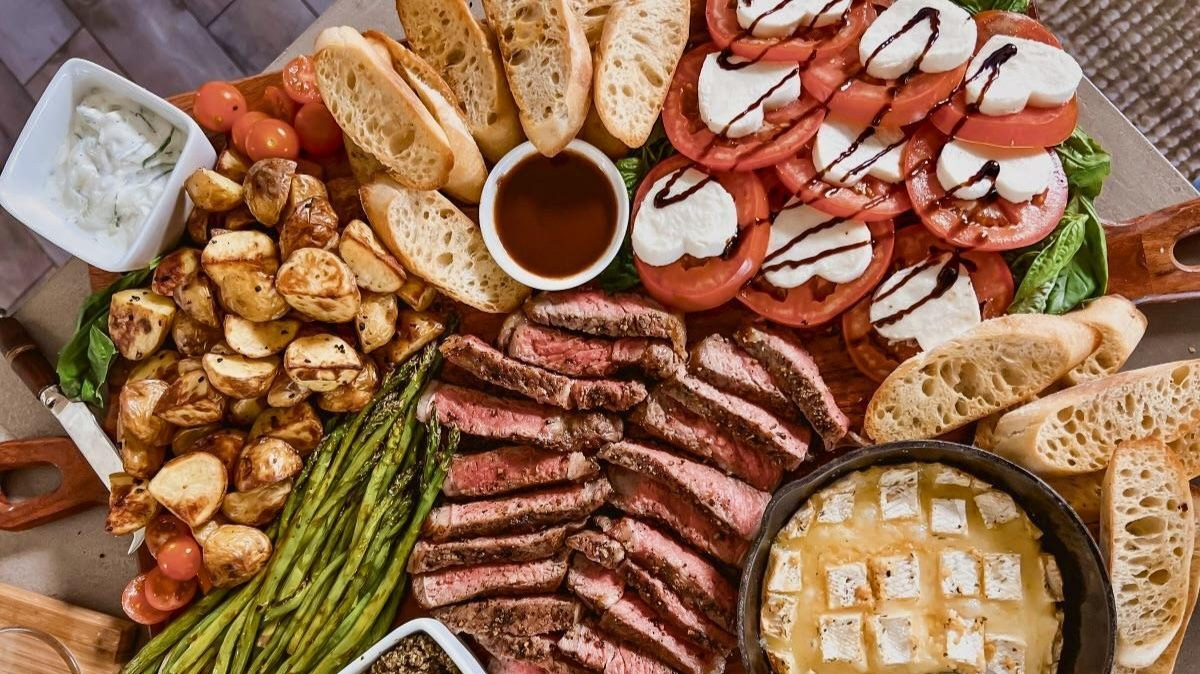
The distrust has receipts. Federal policy keeps loosening the rules on food toxins and weakening water standards. Outbreaks keep landing—this summer it was iceberg lettuce at Taco Bell, with 12,883 people sickened across 21 states. When 2,000 Americans were asked, more than 60% now put ultra-processed food on the list of things causing obesity, diabetes and heart disease; almost 70% say it's addictive. And plenty of what sits on the better-for-you shelf is ultra-processed—the category is not standing outside the verdict. So, people move. Search interest in the carnivore diet is up 94% in a year, because meat comes across as honest when it's one ingredient. Food co-ops grew 6.2% while regular grocers grew 2.9%. That customer preference signal is about as clear as signals get: shorter ingredient lists, names people recognize, a place they can picture. Being easy to trust goes a long way for consumers burdened with navigating the health landscape on their own.
5. NOBODY MADE THEM DO IT
While everyone else is subtracting, a few brands are looking at the same moment and are going in the other direction. Xochitl pulled palm oil out of its entire tortilla chip line and put avocado oil in its place, for every flavor, as announced at Expo West back in March. And their CMO didn't spin the news. Avocado oil "is more expensive than other traditional oils," she said, then called the switch "a worthwhile tradeoff and long-term investment." AG1 Next Gen approached it from the science side, reformulating their nutritional supplement and then putting the result through four randomized, placebo-controlled trials, with more than $20 million committed over three years to peer-reviewed research. No one required or forced either move. But when shoppers expect everything to quietly get worse, brands actually making products better win the benefit of the doubt.

6. STANDING ON BUSINESS
Now for the good part, which is bigger than food. People are done with "it is what it is." You see it in how people vote, how they shop, what they repost—the energy keeps building behind anyone willing to name a standard and then hold to it when holding to it costs something. Brands can do it too. GRAZA did. Instead of raising capital and scaling fast, founder Andrew Benin bought harvests from Spanish growers eight months before the olives came off the trees and ran the early years on debt. He paid in cash flow so he wouldn't have to pay in quality. That's the whole formula. Treat uncompromised quality as the floor, and the people with the scanners will start doing a real share of the marketing for you.
TAKEAWAY: THE PLAYBOOK FOR WHAT'S NEXT
The gap between what a brand says and what it does is now a two-second check in the aisle, which makes the product itself the loudest thing a brand owns. Consumers aren't just an audience for corporate claims—they're auditors, label readers, scanner carriers, and an unforgiving jury on anything that doesn't hold up to deeper examination.
For brands that want to succeed in this next cycle, they should build products that survive being described plainly, focus on proof more than adjectives, and invite the sleuths to investigate. It may cost more upfront, but it will pay off for brands at the shelf, because proof is what buys the right to charge a premium. Quality that holds up doesn't have to discount its way out of doubt. Storytelling gets easy when brands have nothing to hide.